

Discover how India’s National Education Policy (NEP) 2020 transforms early childhood education. Learn how Little Graduates aligns with NEP’s vision of joyful, play-based learning for children aged 3–8.
How NEP 2020 Shapes the Future of Early Childhood Education
At Little Graduates, Learning Begins with Real-Life Experiences
At Little Graduates Early Learning Center, we believe children learn best when they explore, touch, question, and experience the world around them. Every theme, activity, and classroom moment is designed to help them grow naturally—emotionally, socially, and intellectually.
That’s why our philosophy beautifully aligns with India’s National Education Policy (NEP) 2020, which reimagines how the youngest learners should begin their educational journey.
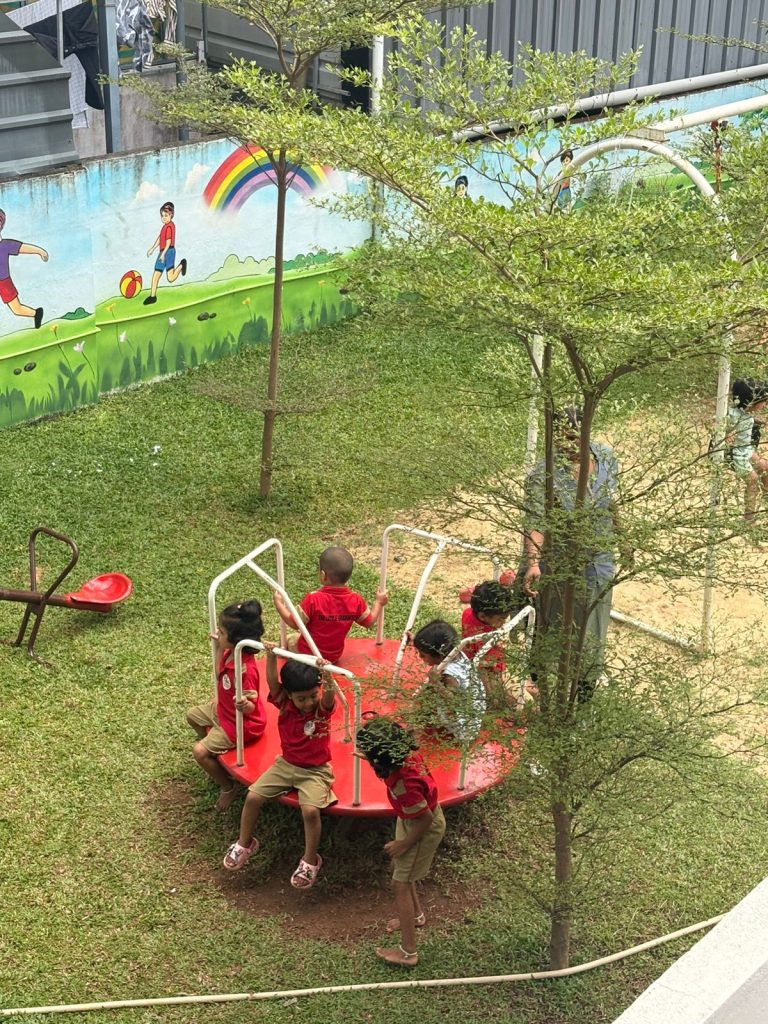
Why Early Years Matter
The NEP recognizes that ages 0 to 8 are the most important years of brain development. During this time, children build the foundation for all future learning—language, reasoning, relationships, and creativity.
Its goal is simple: to ensure every child enters Grade 1 ready to learn with curiosity, confidence, and emotional balance.
The New Structure: 5+3+3+4
NEP 2020 introduced a new structure—5+3+3+4, replacing the older 10+2 system.
The first five years form the Foundational Stage, which includes:
- Three years of preschool or Anganwadi (ages 3–6)
- Grades 1 and 2 (ages 6–8)
This stage emphasizes play-based, activity-driven, and discovery-oriented learning, ensuring education feels natural and enjoyable rather than stressful or competitive.
What Children Will Learn
At the foundational level, NEP 2020 focuses on nurturing the whole child—not just academics but also emotion, imagination, and values.
Here’s what the early years emphasize:
- Building early literacy and numeracy through fun games and stories
- Strengthening motor skills through art, movement, and play
- Encouraging thinking and problem-solving through observation and exploration
- Using mother tongue or home language for better understanding and comfort
- Instilling values like sharing, empathy, honesty, and self-discipline
It’s all about giving children a joyful start to learning that lasts a lifetime.
Empowering Teachers and Schools
The NEP also focuses on training and upskilling teachers in early education. Anganwadis and preschools across India will be strengthened with age-appropriate materials, proper infrastructure, and clear learning goals.
The policy ensures a smooth transition from preschool to primary school, so children continue learning without breaks in method or mindset.
Learning in the Home Language
One of the most powerful changes NEP 2020 brings is the focus on mother tongue or local language as the medium of instruction at least till Grade 3.
This helps children think clearly, express confidently, and stay emotionally rooted while learning new concepts.
Vision 2030: Universal Access to Quality ECCE
By 2030, the aim is for every child aged 3 to 8 to have access to high-quality Early Childhood Care and Education (ECCE)—whether in a preschool, Anganwadi, or the foundational stage of a school.
The broader vision is to nurture learners who are curious, confident, and compassionate—ready not just for school, but for life.
For Parents: What This Means
For parents, NEP 2020 is a clear reminder that early education isn’t about starting academics early—it’s about starting right.
When children learn through play, connection, and real-world experiences, they don’t just memorize—they understand, question, and create.
At Little Graduates, that’s exactly what we aim for—an early learning environment where every child feels valued, confident, and excited to learn every day.
 Previous Post
Leave Your Comment