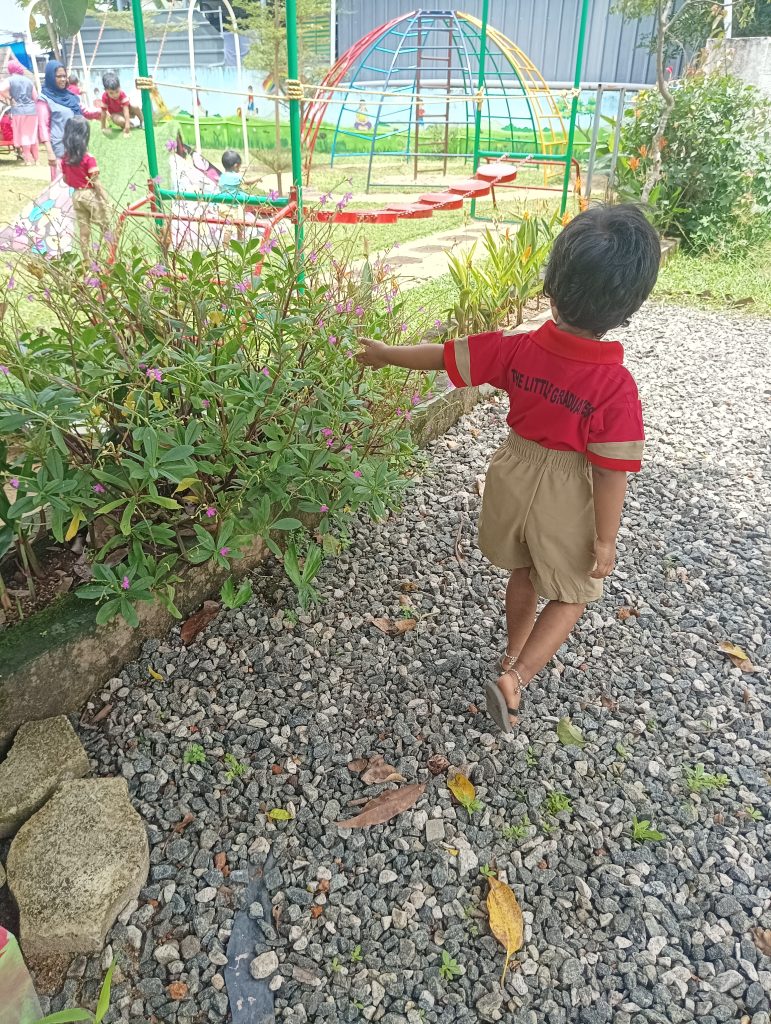
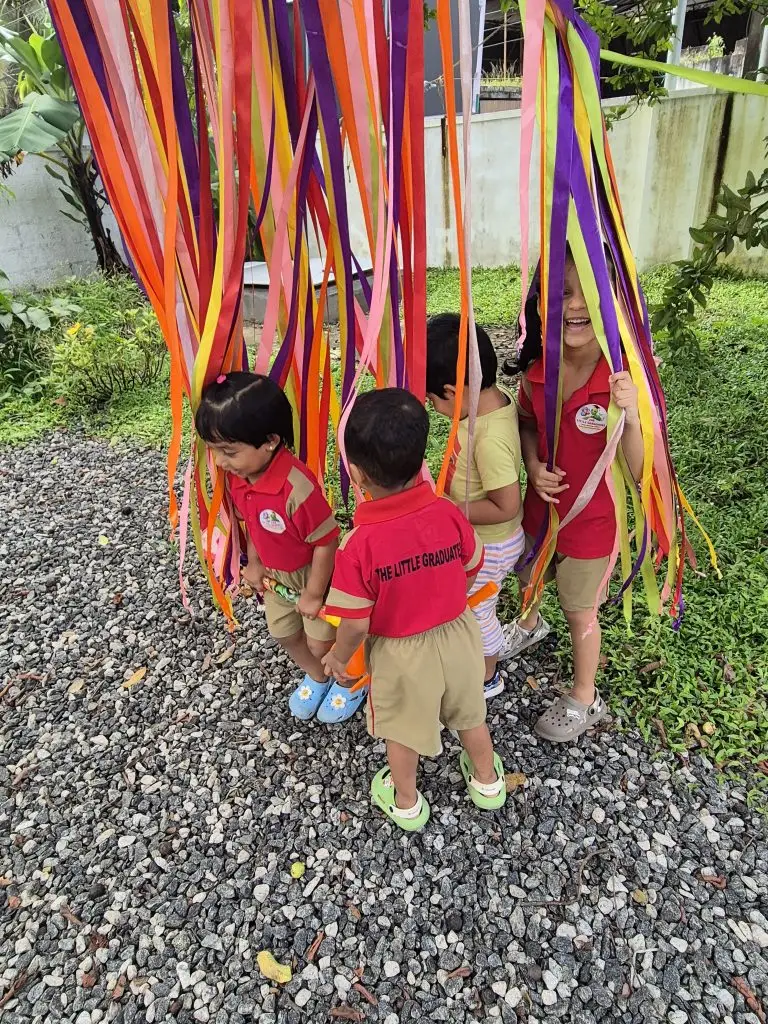
Outdoor play is more than a break from the classroom—it is a powerful driver of whole-child development. In the early years, nature-rich experiences build strong bodies, curious minds, and calm, confident learners. At Little Graduates, Kaloor, Kochi, we integrate purposeful outdoor time into each day to enrich learning and wellbeing.
Key benefits of outdoor play
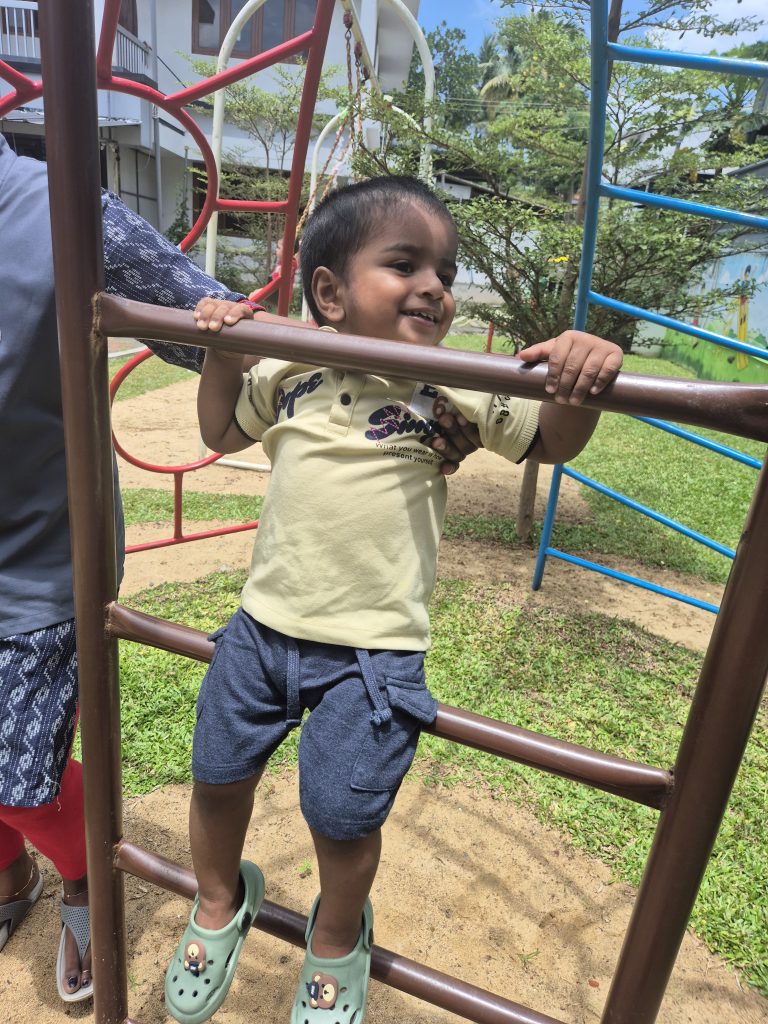
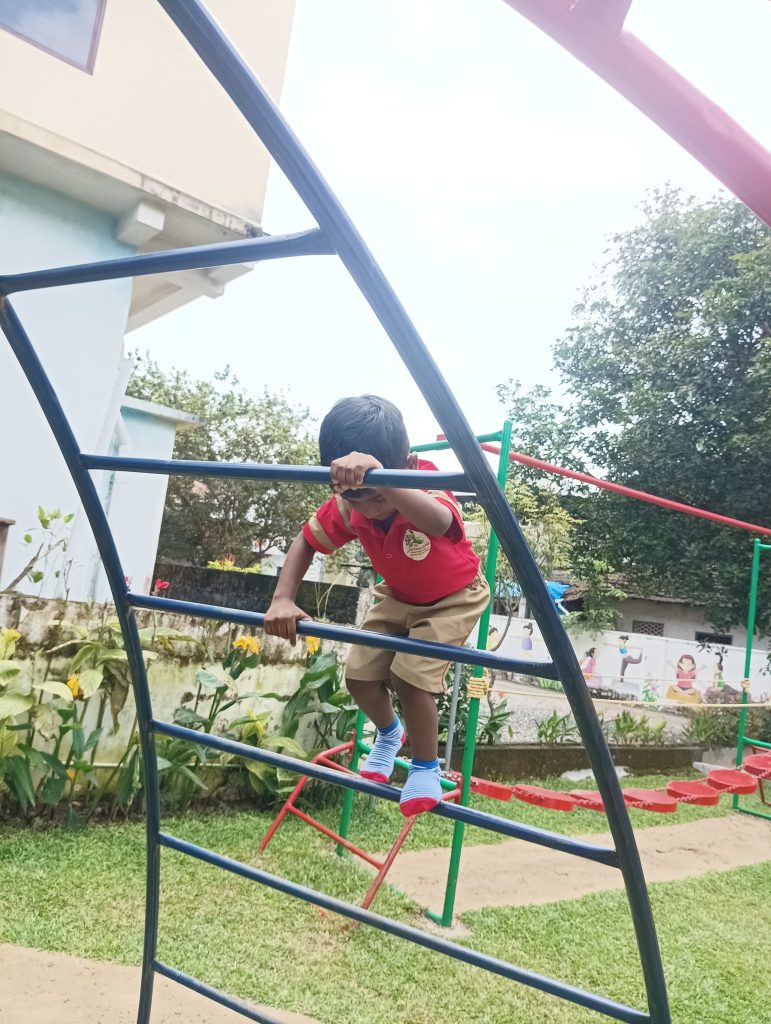
Physical development: Running, climbing, balancing, and digging build gross motor skills, coordination, stamina, and core strength while supporting healthy posture and bone development.
Cognitive growth: Open-ended exploration encourages observation, prediction, measuring, comparing, and problem-solving—early science and math in action.
Social skills: Playgrounds foster cooperation, turn-taking, leadership, negotiation, and empathy as children plan games and resolve conflicts.
Emotional wellbeing: Time in nature reduces stress and supports self-regulation. Small, safe risks build resilience and confidence.
Language and creativity: New textures, sounds, and discoveries expand vocabulary and spark storytelling, role play, and imaginative thinking.
Healthy habits: Exposure to daylight supports circadian rhythms, and active play builds lifelong habits for fitness and outdoor appreciation.
How we do it at Little Graduates, Kaloor
Daily outdoor sessions: Age-appropriate free play, nature discovery, and guided challenges aligned with classroom themes.
Learning through local context: Counting coconut leaves, observing monsoon clouds, sorting shells and stones, and exploring traditional games from Kerala.
Purposeful activities: Treasure hunts, sand and water exploration, scooter and balance paths, gardening, and collaborative building with natural loose parts.
Integrated curriculum links: Early numeracy (measuring sticks, stones and leaves), literacy (nature journals), and science (seed sprouting, mini weather station).
Safety in Kochi’s climate
Smart scheduling: Outdoor play during cooler hours; shaded areas and hydration breaks.
Prepared play: Closed-toe shoes, season-appropriate clothing, and well-maintained, age-appropriate equipment.
Supervision and inclusion: Close adult oversight and adaptable activities so every child participates confidently.
Tips for parents
Pack for play: Water bottle, hat, sunscreen, and comfortable closed-toe shoes.
Encourage exploration: Weekend park visits, balcony gardening, or nature walks to extend learning at home.
Celebrate “messy” learning: Muddy hands and grassy knees often mean rich, hands-on discoveries.
FAQs
Why is outdoor play important in early education? It builds physical strength, social skills, emotional regulation, and early academic foundations through hands-on, real-world experiences.
How often should preschoolers play outside? Ideally, children should have outdoor opportunities daily, with active play totalling at least 60–120 minutes across the day.
Is outdoor play safe in Kochi’s weather? Yes—with shaded spaces, hydration, insect protection, and thoughtful scheduling, outdoor play remains safe and beneficial year-round.
How does outdoor play support academics? Outdoor activities naturally develop pre-math and science skills—counting, measuring, predicting, observing—while boosting focus and vocabulary.


 Previous Post
Leave Your Comment