

How to Support Your Child’s Learning Without Pressure or Overload
As parents, we constantly ask ourselves: What’s the best for my child? We want to give them every opportunity, every advantage. But sometimes, in trying to do everything, we miss the most important thing — the child’s own interests.
In early childhood education, especially with approaches like Montessori, one message stands out:
👉 Follow the child.
Not the syllabus. Not the neighbour’s child. Not society’s race.
Why Child-Led Learning Matters
At Kaloor’s best playschool – The Little Graduates Early Learning Centre, we know that every child is born curious. Some are drawn to numbers, others to sound, colours, or movement. When we observe closely, we can see clear patterns — things that light them up, hold their attention, and come naturally.
That’s where real learning happens.
That’s where your investment matters.
📌 Early childhood development should not be about filling a schedule with every possible activity. It should be about providing the space, tools, and freedom to explore what the child is already drawn to.
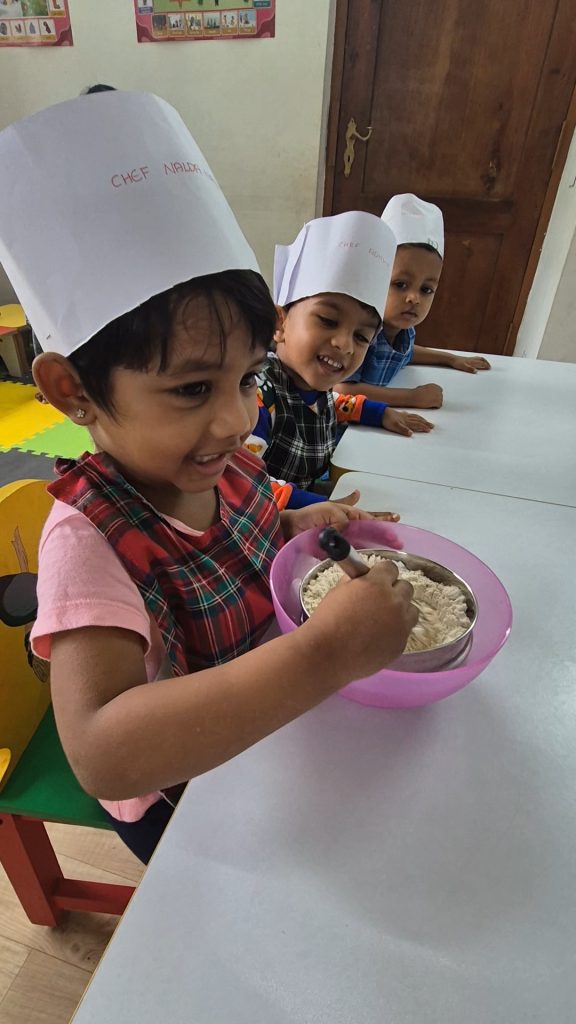
The Problem With Forcing Learning Too Early
Let’s break it down — forcing a child to learn something they aren’t ready for (or interested in) usually leads to:
- Resistance
- Anxiety
- Frustration
- Low confidence
- And sadly, a dislike for learning
Instead, when children feel heard and respected, their learning becomes joyful. It feels like play — because that’s what learning should be at this stage.
What Should You Invest In?
Here’s a simple rule:
🟡 Invest in what your child shows interest in.
If they’re fascinated by music, give them instruments.
If they love pretend play, create a corner for role play.
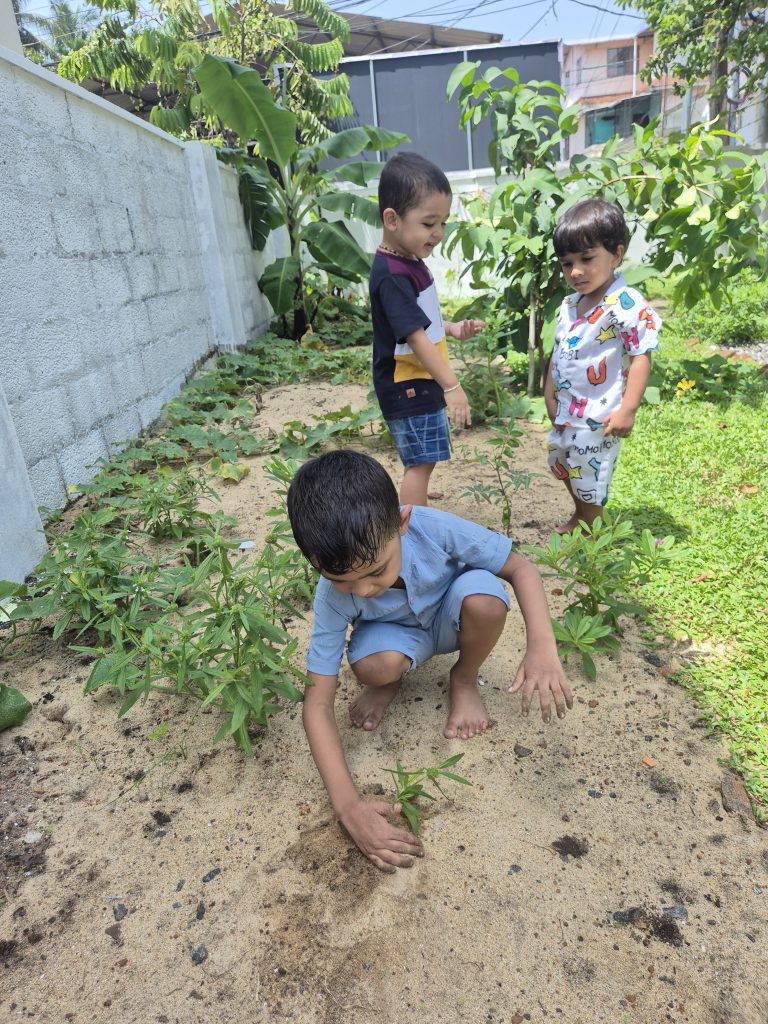
If they’re constantly asking questions about nature, feed that curiosity.
Skip the worksheets if they’re not ready. Delay the phonics drills if the child isn’t showing readiness. Your energy, time, and money are better spent supporting their real interests — not ticking boxes.
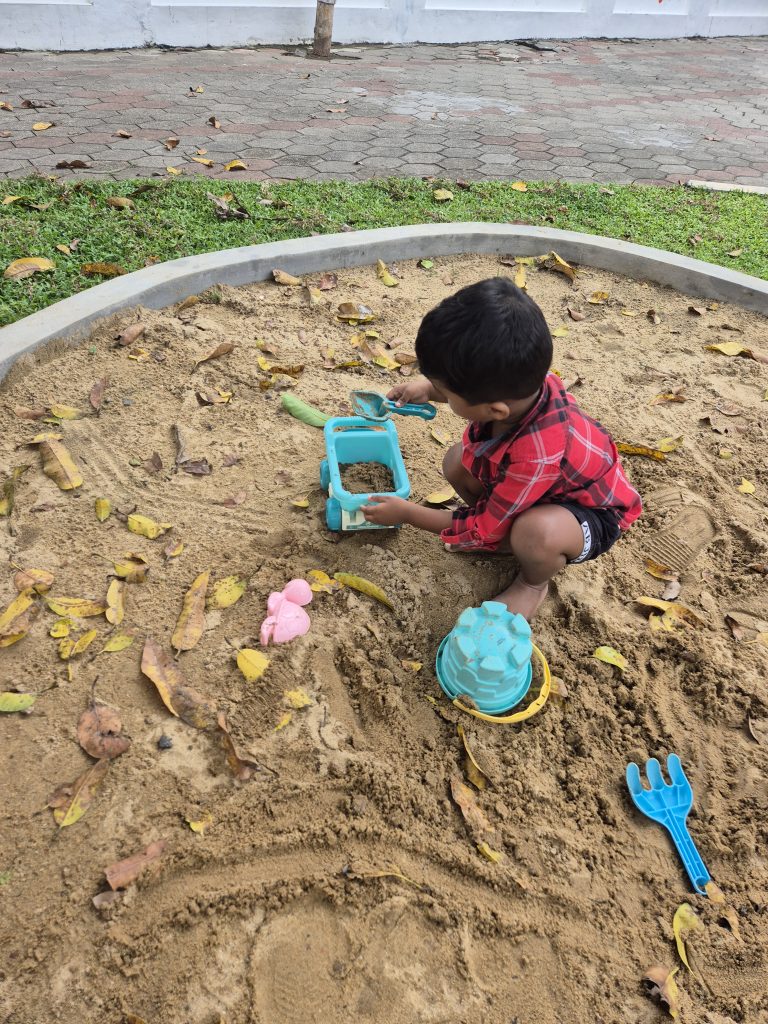
Trust the Child’s Timeline
One child may talk fluently at two, another only by four. One might be able to sit and paint, another just wants to jump and climb all day.
Both are learning.
Both are growing.
What this really means is: every child has their own learning rhythm. The best thing we can do as parents is to honour that — not rush it.
So, What’s Best for My Child?
It’s not the fanciest toy or the most expensive class.
It’s not doing what everyone else is doing.
✅ It’s observing them.
✅ Supporting what they love.
✅ And trusting that learning will happen — when the child is ready, and the environment is right.
That’s not just good parenting.
That’s smart, long-term investment in your child’s emotional and cognitive development.
 Previous Post
Leave Your Comment